

Do Wool Rugs Shed? What to Expect (and Why Flatweave Dhurries Don’t)

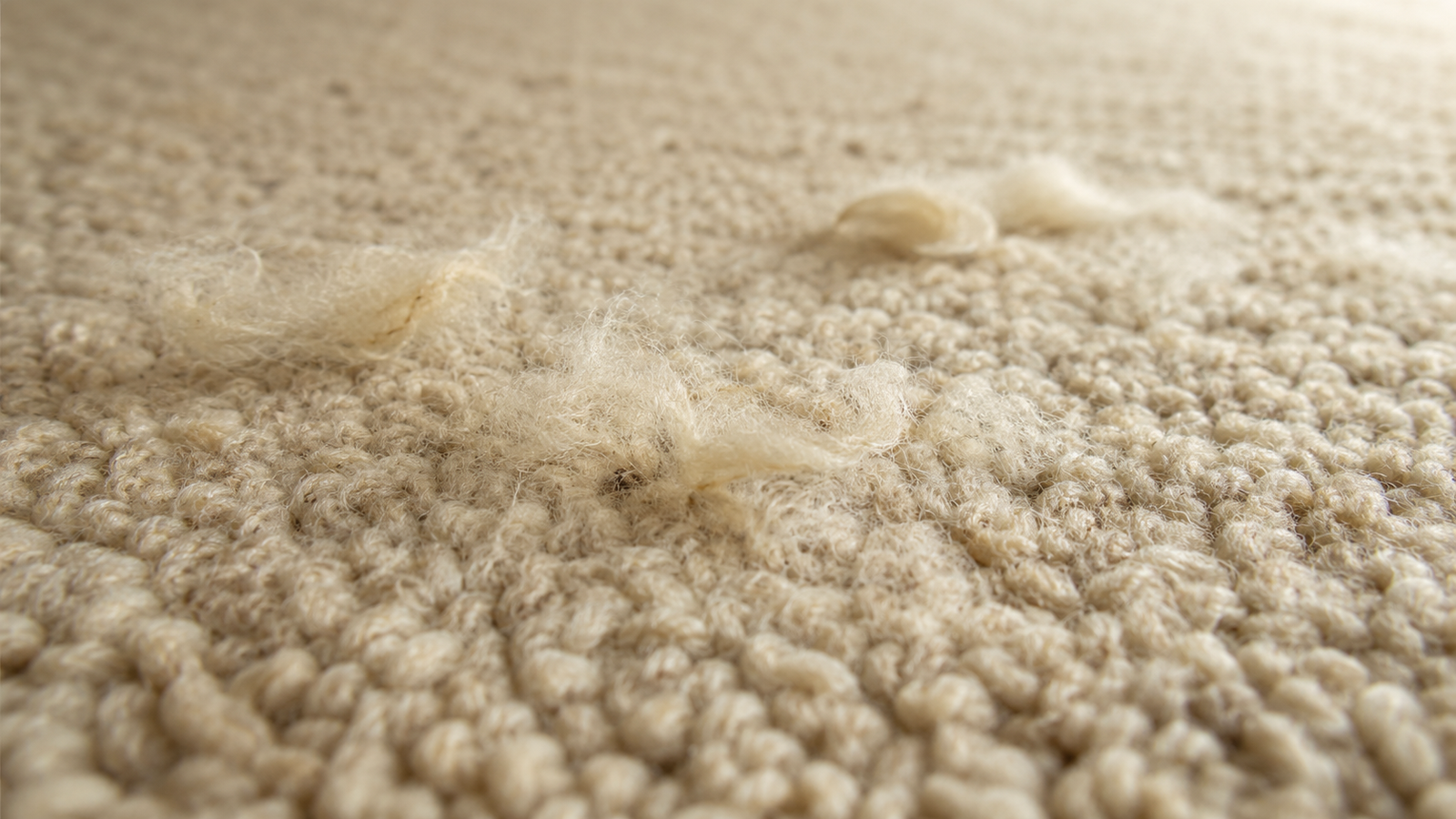
If you've just unrolled a new wool rug and found little tufts of fibre scattered across the floor, the short answer is simple: yes, most wool rugs shed, and it's normal. Do wool rugs shed because something's wrong with them, or is this just part of owning natural fibre? For pile and hand-tufted wool rugs, some shedding in the first few months is expected and settles down on its own. For flatweave dhurries, the kind Zorwaa specialises in, there's no pile at all, so there's nothing loose to shed in the first place. This post walks through why shedding happens, how long it typically lasts, when it's actually worth worrying about, and why the construction of your rug matters more than the fibre alone.
Table of Contents
Why Wool Rugs Shed In The First Place
Wool is a natural fibre made of thousands of short and long strands spun together into yarn. During spinning, weaving or tufting, some of those shorter strands end up loose inside the pile instead of properly locked into the yarn. They sit there until foot traffic, vacuuming or ordinary use works them free.
This isn't a flaw in the rug. It's closer to how new bedsheets release a bit of lint after the first few washes, or a new sweater pills slightly before it settles. High-quality wool with longer staple fibres sheds less overall, since there are fewer short strands to begin with, but almost no pile wool rug is completely shedding-free brand new. The exception, as we'll get to, is a rug with no pile to shed from.
How Long Does Wool Rug Shedding Last
How long shedding lasts depends far more on how the rug is made than on the wool itself.
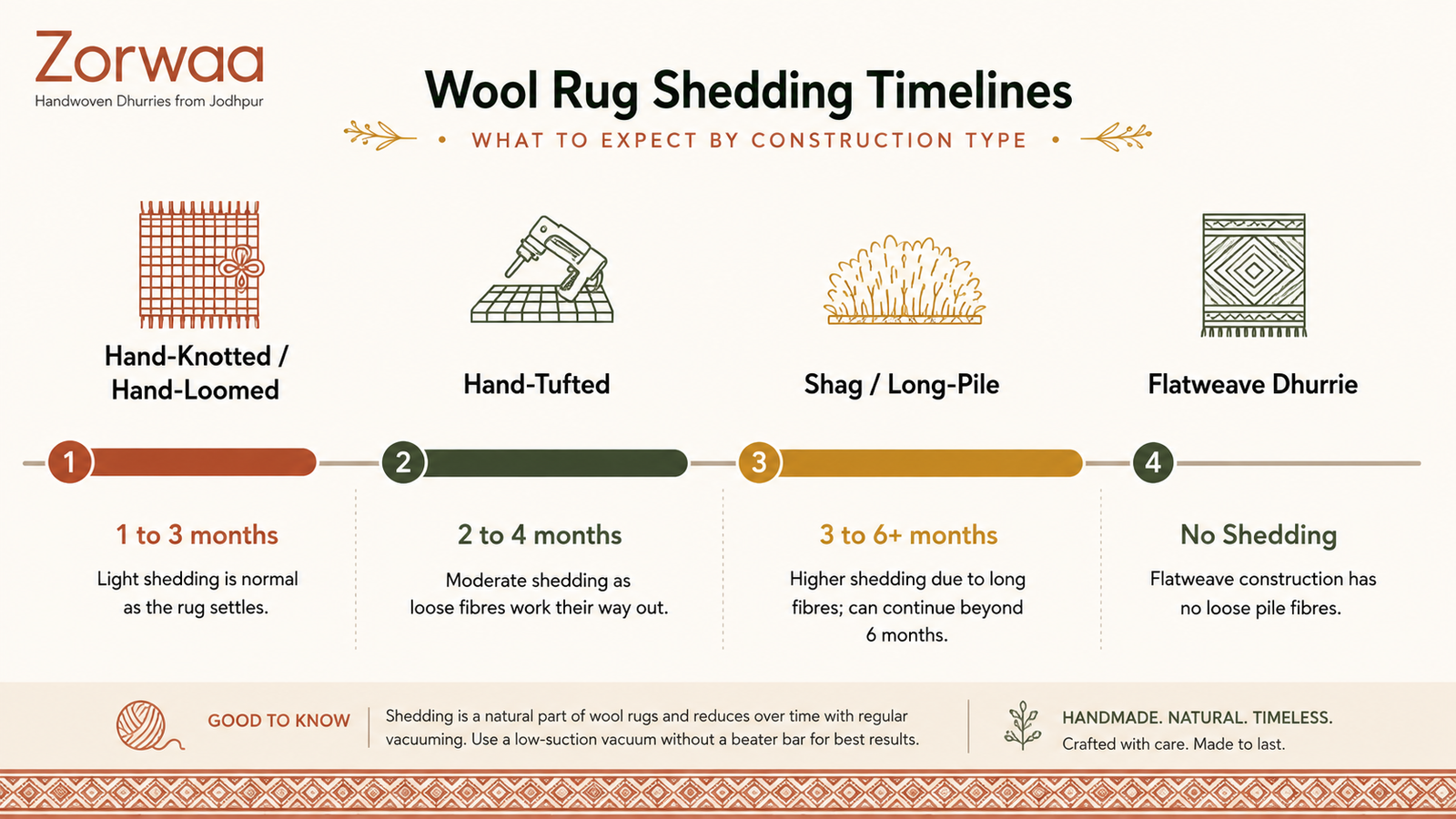
Hand-knotted and hand-loomed wool rugs typically shed the least and settle down fastest, usually within one to three months. Each strand is worked more tightly into the base, so there's simply less loose material to begin with.
Hand-tufted wool rugs, made by punching fibre through a canvas backing and gluing it in place, tend to shed more and for longer, often two to four months, since the fibres aren't individually locked in the way a hand-knotted pile is.
Shaggy or long-pile wool rugs shed the longest, sometimes three to six months or more, purely because there's more fibre length for loose strands to hide in.
Across the board, most shedding drops off noticeably within six months, with only occasional stray fibres after that, mostly in high-traffic spots like hallways or under a dining table. Wool-cotton and wool-jute blends, common across Indian handloom rugs, generally shed less than pure wool pile, since the cotton or jute yarn doesn't carry the same loose-fibre issue wool does on its own. If shedding worries you more than plushness does, a blend sits somewhere between a full wool pile rug and a flatwoven dhurrie.
Why Flatweave Dhurries Don't Shed At All
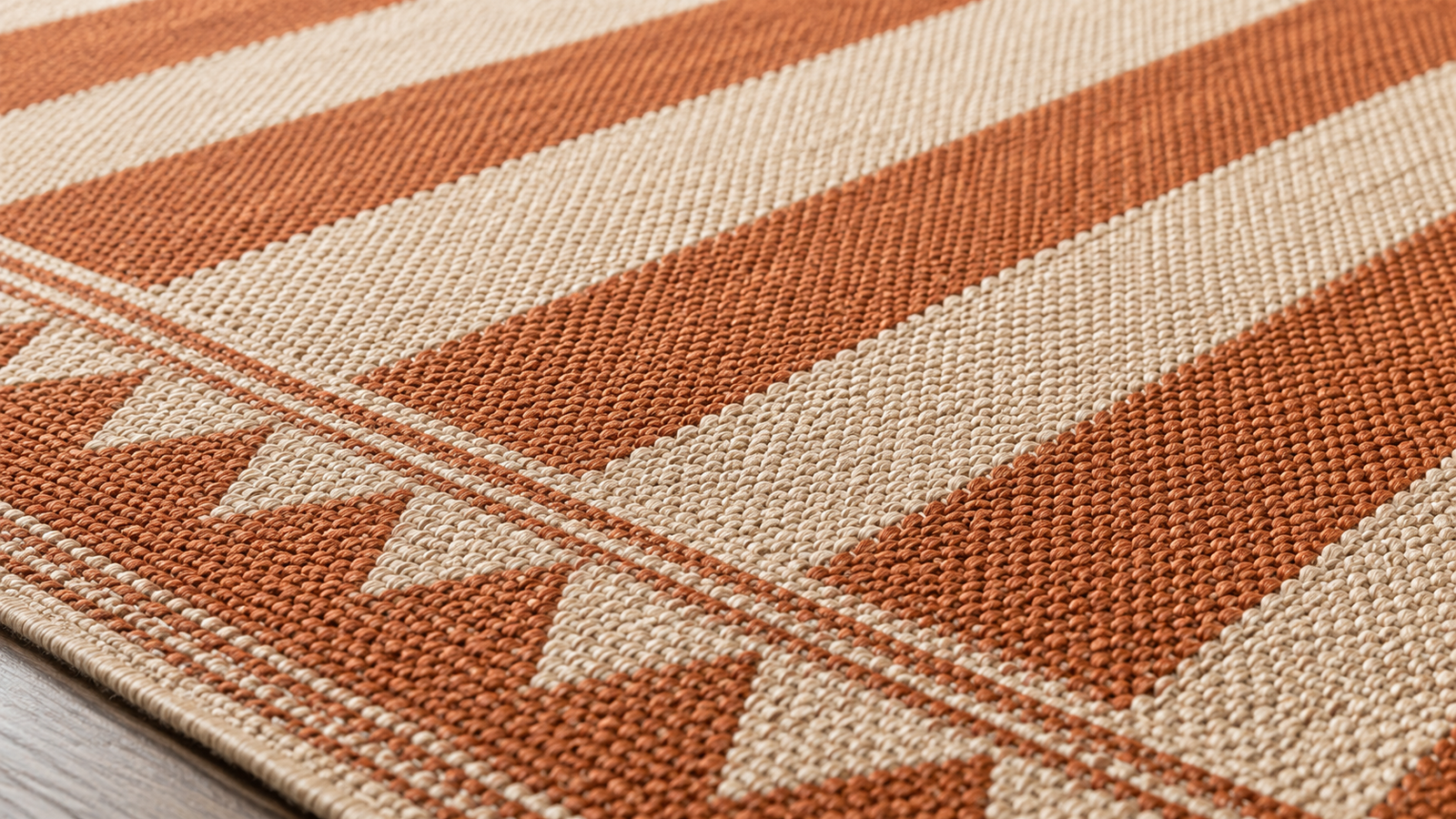
Flatweave rugs, dhurries and kilims among them, work completely differently. There's no pile, no tufted fibre ends, no latex backing holding anything in place. The yarn is woven flat and tight directly into the structure of the rug itself, the same warp-and-weft technique used on a handloom for cloth. With nothing sticking up and nothing loosely anchored, there's nothing left to shed.
This is part of why Zorwaa has built its core range around flatweave dhurries rather than pile rugs. Every piece is woven by hand in Bishnoi Village and Salawas using this same tight, traditional construction, wool, cotton or jute worked directly into the weave rather than punched or tufted onto a backing. If shedding is the main thing putting you off a wool rug, a flatweave dhurrie sidesteps the issue completely rather than just minimising it. For the fuller construction breakdown, our flatweave vs pile guide covers exactly how the two differ beyond just shedding.
Normal Shedding Versus An Actual Problem
A few signs separate normal settling from an actual problem. Light fluff after vacuuming in the first few months, shedding that visibly decreases week by week, and slightly more wear in high-traffic spots that settles with time are all normal. Shedding that hasn't slowed down after six to twelve months, thin or bald patches forming in one spot, clumps of fibre pulling loose rather than fine fluff, or a musty smell alongside the shedding are worth a closer look, and usually point to a construction or quality issue rather than anything you're doing wrong.
Managing Shedding While A Wool Rug Settles In
A few habits make the settling-in period shorter and less messy.
- Vacuum often, but skip the beater bar or rotating brush, gentle suction pulls out loose fibre without roughing up the pile further
- Resist the urge to scrub or brush aggressively in the first few months, it can pull at fibres that would otherwise settle on their own
- Add a rug pad underneath, it reduces friction between the rug and the floor, one of the main things that dislodges loose fibre
- Rotate the rug every few months so wear and shedding distribute more evenly rather than concentrating in one path
- Avoid harsh chemical cleaners early on, they can weaken fibres and increase shedding rather than reduce it
None of this speeds up the underlying process much. Wool settles on its own timeline. It just keeps the first few months tidier while it does. For the fuller day-to-day care routine beyond just the shedding phase, our dhurrie cleaning guide covers the rest.
Handloom Wool Or Flatweave Dhurrie, Which Should You Choose
If you love the plush, textured look of a pile rug and don't mind a few months of extra vacuuming, a well-made handloom wool rug settles into a beautiful, durable piece once the shedding period passes. Quality matters more than construction type here, a well-made hand-loomed wool rug from a good workshop will always out-shed and outlast a cheap tufted one.
If low maintenance matters more to you than plush texture, a flatweave dhurrie gets you the same natural wool warmth without any break-in period at all. It's also reversible, which a pile rug isn't, so wear evens out over years rather than wearing thin in one direction. Our traditional rug collection includes both weights and weaves if you'd rather compare the feel of each in person before deciding. And if fibre choice itself is still the open question, our guide to wool, cotton and jute breaks down how the three natural fibres actually differ.
Quick Answers To Remember
- Some shedding is normal for almost all new wool pile rugs, not a sign of poor quality on its own
- Hand-knotted and hand-loomed rugs shed the least and settle fastest, shag rugs shed the longest
- Flatweave dhurries don't shed at all, there's no pile to lose fibre from
- Shedding should visibly decrease within a few months and mostly stop within six
- Bald patches or shedding that keeps getting worse is a red flag, not normal settling
- A rug pad and gentle, beater-bar-free vacuuming shorten the messy part
Frequently Asked Questions
Is it normal for a new wool rug to shed a lot?
Yes, especially in the first one to three months. This is a normal part of the rug settling in and doesn’t mean anything is wrong with it.
How long does wool rug shedding last?
Most shedding drops off noticeably within three to six months. Hand-loomed rugs often settle faster, while shag or long-pile rugs can take a little longer.
Do dhurrie rugs shed like wool pile rugs do?
No. Flatweave dhurries have no pile, so there’s no loose fibre sitting inside the weave to begin with.
When should I be concerned about a shedding rug?
If shedding hasn’t slowed after six to twelve months, or if you notice bald patches or clumps rather than fine fluff, it’s worth investigating rather than waiting it out.
Shedding is one of those things that feels alarming the first time and completely unremarkable by the third month. If you'd rather skip the settling-in period altogether, every dhurrie in Zorwaa's collection is flatweave by construction, woven tight in wool, cotton or jute with nothing loose left to shed.